Postpartum hair shedding: what is common and when to ask for help
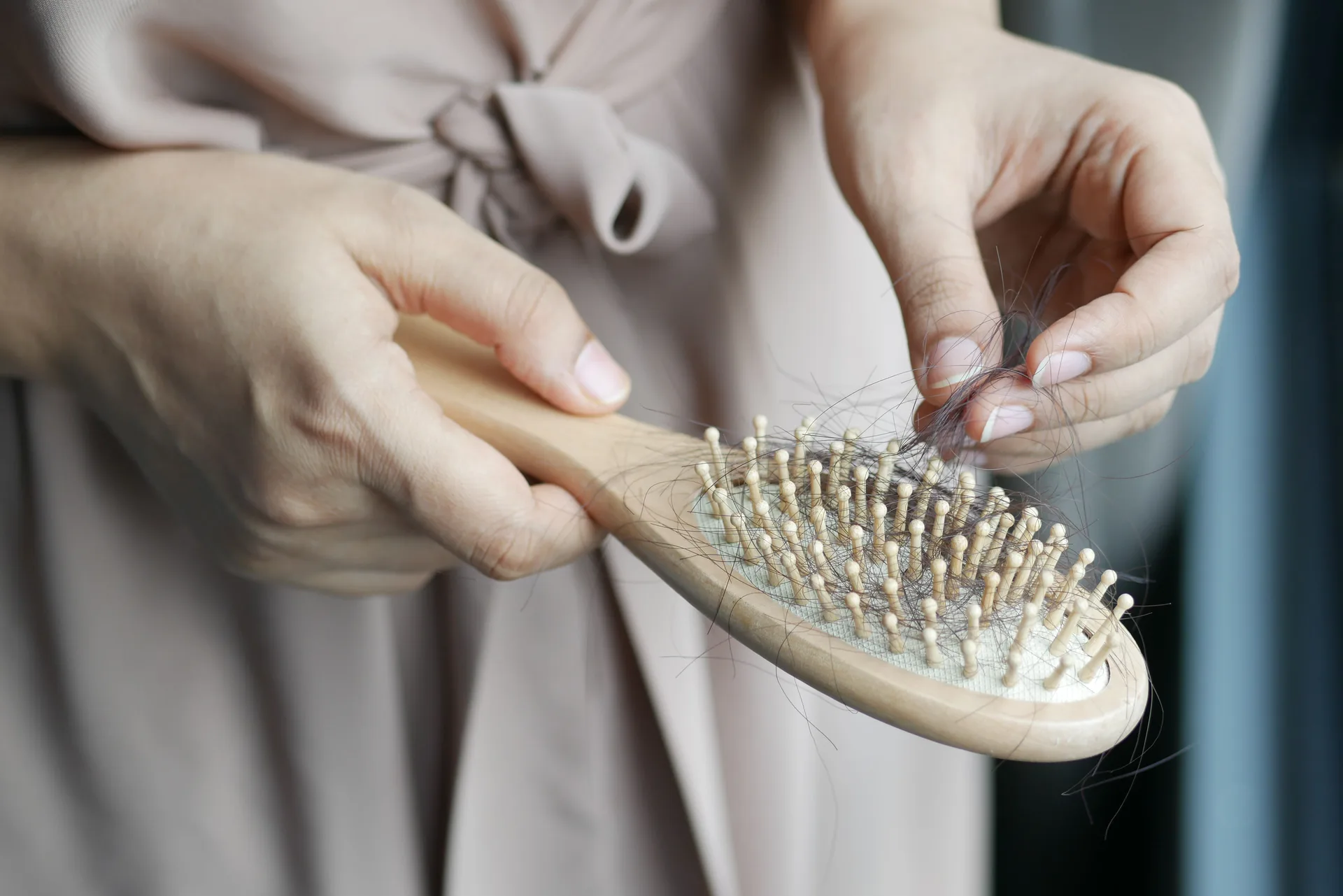
Noticing more hair in your brush a few months after giving birth can feel unsettling. The American Academy of Dermatology (AAD) says temporary shedding is common after childbirth and often peaks about four months after birth. This is general information, not a diagnosis.American Academy of Dermatology (opens in a new tab)
Every person is different. If you are worried, notice patchy hair loss, or your hair has not regained its usual fullness by your baby's first birthday, speak with a healthcare professional or dermatologist.American Academy of Dermatology (opens in a new tab)American Academy of Dermatology (opens in a new tab)
What the usual timeline can look like
The AAD describes a common pattern, while noting that timing varies from person to person:American Academy of Dermatology (opens in a new tab)
- When it may become noticeable: A few months after childbirth.American Academy of Dermatology (opens in a new tab)American Academy of Dermatology (opens in a new tab)
- When it may peak: Often around four months after giving birth.American Academy of Dermatology (opens in a new tab)
- When to ask for advice: If your hair has not regained its usual fullness by your baby's first birthday, or you are concerned at any time, ask a healthcare professional or dermatologist.American Academy of Dermatology (opens in a new tab)American Academy of Dermatology (opens in a new tab)
Why can shedding increase after birth?
The AAD describes this common temporary shedding as telogen effluvium and links it to falling estrogen levels after childbirth. Hair changes can have other causes too, so a timeline alone cannot diagnose what is happening for you.American Academy of Dermatology (opens in a new tab)American Academy of Dermatology (opens in a new tab)
Gentle ways to manage the change
These tips may make thinning hair look fuller while it recovers; they do not stop postpartum shedding:American Academy of Dermatology (opens in a new tab)
- Try volumizing hair care: A volumizing shampoo and a lighter conditioner made for fine hair may add the appearance of fullness. Use conditioner mainly on the ends if it weighs your hair down.American Academy of Dermatology (opens in a new tab)
- Choose a manageable style: A stylist can suggest a cut that makes hair look fuller or is easier to care for during a busy season.American Academy of Dermatology (opens in a new tab)
When to speak with a professional
A dermatologist can help distinguish temporary shedding from other causes of hair loss. Ask for advice if shedding is patchy, persistent, worrying, or has not returned to usual fullness by your baby's first birthday.American Academy of Dermatology (opens in a new tab)American Academy of Dermatology (opens in a new tab)
Postpartum shedding is common, but you do not have to guess about the cause. If something feels unusual or worries you, ask a healthcare professional for individual advice.American Academy of Dermatology (opens in a new tab)American Academy of Dermatology (opens in a new tab)